
Perth's Fast Pitch, Empty Terrace: Why England Changed Its Definition of Preparation
**মূল উত্তর** ইংল্যান্ড ৭ নভেম্বর ২০২৫-এ পার্থের ডব্লিউএসিএ গ্রাউন্ডে পশ্চিম অস্ট্রেলিয়া XI-র বিরুদ্ধে একটি ৫০ ওভারের ওয়ার্ম-আপ ম্যাচ খেলবে, যা ১৩ নভেম্বর পার্থ Stadiumে শুরু হওয়া তিন ম্যাচের ওয়ানডে সিরিজের ছয় দিন আগে অনুষ্ঠিত হবে। ম্যাচটি দিনের খেলা। **মূল তথ্য** - ওয়ার্ম-আপ: ৭ নভেম্বর ২০২৫, ডব্লিউএসিএ গ্রাউন্ড, পার্থ; দিনের খেলা, তাই শিশির কোনো ফ্যাক্টর নয়। - ওয়ানডে সিরিজ: ১৩ নভেম্বর পার্থ, এরপর অ্যাডিলেড ও হোবার্ট; মোট ৩ ম্যাচ। - টি-টোয়েন্টি সিরিজ: ৫ ম্যাচ; কিছু টেস্ট তারকাকে বিশ্রাম দেওয়ার পরিকল্পনা আছে। - পশ্চিম অস্ট্রেলিয়ার ক্যামেরন গ্রিন, জশ ইংলিস ও কুপার কনলির খেলার সম্ভাবনা কম। - ল্যান্স মরিস, জাই রিচার্ডসন ও মাহলি বিয়ার্ডম্যানের উপস্থিতি রেড-বল ওয়ার্কলোডের উপর নির্ভরশীল। **সূত্র উল্লেখ** সূত্র: স্টেজ-২ গভীর বিশ্লেষণ প্রতিবেদন, প্রকাশ: ২০২৫ | Cross-checked: cricsultan.com **সম্পর্কিত প্রশ্নোত্তর** প্রশ্ন: ওয়ার্ম-আপ ম্যাচ কবে ও কোথায়? উত্তর: ৭ নভেম্বর ২০২৫, পার্থের ডব্লিউএসিএ গ্রাউন্ডে, দিনের খেলা হিসেবে। প্রশ্ন: ইংল্যান্ডের অভিজ্ঞ কোর কারা? উত্তর: ব্রেন্ডন ম্যাকালামের মতে মাত্র তিনজন — জস বাটলার, জো রুট ও আদিল রশিদ। প্রশ্ন: ওয়ার্ম-আপের আসল মান কিসের উপর নির্ভর করছে? উত্তর: পশ্চিম অস্ট্রেলিয়া XI-তে সেরা Players খেলেন কি না তার উপর, যা cricsultan.com Player Depth Index দিয়ে ট্র্যাক করা যায়।
November in Perth means a particular kind of heat. The midday sun dries the pitch, and the old quickness of the WACA Ground comes back. The November 7 warm-up is a day game — no dew, so no second-innings penalty for the bowlers. When I sit down to watch, I look at the terrace before the scoreboard; but the terrace here is empty, because this is only a warm-up. Still, those empty seats are not silence — they are a question that must be answered six days later. The first ODI is at Perth Stadium on November 13. Those six days in between are the only real time England have.
This tour sits inside three formats at once. England's white-ball trip includes three ODIs — Perth (November 13), Adelaide, Hobart — and five T20Is. Immediately after comes England's Test tour of South Africa. On the other side, Australia finished a three-Test tour of South Africa on October 31, and a four-Test series against New Zealand begins on December 9. Both sides are therefore entering this white-ball series at a moment when the Test balance-sheet is running in the back of their minds.
That is where the warm-up carries weight. Last year England prepared with an intra-squad match at the club ground at Lilac Hill, and the intensity of that preparation was questioned. This time they have chosen a match against a state XI, at the WACA — one of the fastest, bounciest surfaces in world cricket. Moving from a club ground to a specialist pace surface means raising the standard of preparation, not taking the easy option. The plan also includes resting some Test stars for the T20I leg. At board level this is a familiar picture: rationing a player's minutes. But that rationing carries a price, and the bill arrives at the end of the tour.
Brendon McCullum has himself offered an honest admission. He named only three players as the experienced core — Jos Buttler, Joe Root and Adil Rashid. That is thin for a full white-ball squad, and admitting it is McCullum's way of lowering expectations. The first real signal is here: England's problem on this tour is not a lack of experience but a lack of depth beneath the experienced core — and the calendar will widen that gap.
Joe Root's presence is itself a message. Root is primarily a Test and ODI anchor; keeping him in a white-ball squad means England are not treating this ODI series as a pure experiment. And Adil Rashid is the only recognised senior spinner — in a long multi-format tour, that single role carries the heaviest workload risk. If one leg-spinner has to carry the entire spin burden across five weeks, his arm may tire before the Test tour even begins.
Now to the part England do not control. The warm-up opposition is a Western Australia XI, and whether their best players appear depends on a structural constraint. This match comes just six days after the South Africa Test ends. So Cameron Green, Josh Inglis and Cooper Connolly are unlikely to return. This is not whim; it is scheduling. Green is a pace-bowling all-rounder, Connolly a left-handed batting all-rounder — exactly the profiles whose absence directly lowers the competitive value of a warm-up.
Lance Morris, Jhye Richardson and Mahli Beardman are also red-ball workload dependent. That means the state and board are prioritising first-class commitments over a warm-up. This is a familiar player-release hierarchy: tour matches sit at the bottom, below internationals and first-class cricket. The Sheffield Shield schedule adds another pressure — Western Australia's away matches are in Adelaide and Melbourne, with an eleven-day gap between.
The second and most important signal: the real quality of this warm-up depends on Western Australia's team sheet, not on England's preparation philosophy.
This is where an old picture resurfaces. On the 2026-18 tour, England played a tour match at this same WACA, and out of that match came Lance Morris, Aaron Hardie, Tim David, Josh Philippe and Nathan Coulter-Nile — all of whom later reached bigger stages. Warm-up matches are, in effect, quiet scouting showcases, where domestic players introduce themselves against international opposition. That is what makes today's picture interesting: many of those who once announced themselves through this fixture are now absent from it.
One thing needs to be said plainly. There is no individual performance data on this warm-up — no batting average, no strike rate, no economy, no situational splits. So talking about anyone's form means reading tea leaves. What can be measured is role and availability, not performance. Keeping that in mind changes much of the tour's expectation.
There is another hidden signal in the structure of the schedule. The warm-up is 50 overs, and the series that follows is also ODI — not T20I. England's priority at the start of the tour is therefore clearly ODI readiness, not T20I readiness. The decision to rest Test stars for the T20I leg only makes sense once you accept that the ODIs are the real target.
The defining feature of this series is cross-format collision. England have ODI and T20I on one side, South Africa Tests on the other; Australia have South Africa Tests on one side, New Zealand Tests on the other. Both sides are therefore entering at less than peak. That is a structural condition that compresses the competitive ceiling of both teams. The three ODI venues — Perth, then Adelaide, then Hobart — pile domestic air travel on top of a compressed calendar. More matches, more travel, less rest.
The media are writing this change as a fix — a lesson learned from last year's mistake. But there is a confusion here. Changing the method of preparation is not the same as raising the quality of preparation. A warm-up's value depends on how strong the opposition is, and that opposition is controlled by Western Australia Cricket, not by England. What England control is venue and schedule; what they do not control is the standard of the opponent.
The deeper argument lies further in. If the calendar is so full that a team must manufacture preparation, then the problem is not the method — the problem is the calendar. A white-ball tour squeezed between two Test series means expecting peak intensity from both sides is unrealistic. Every chant carries a passport, even when the stands are empty; but on this tour, what will be heard more than chants is the sound of schedule management.
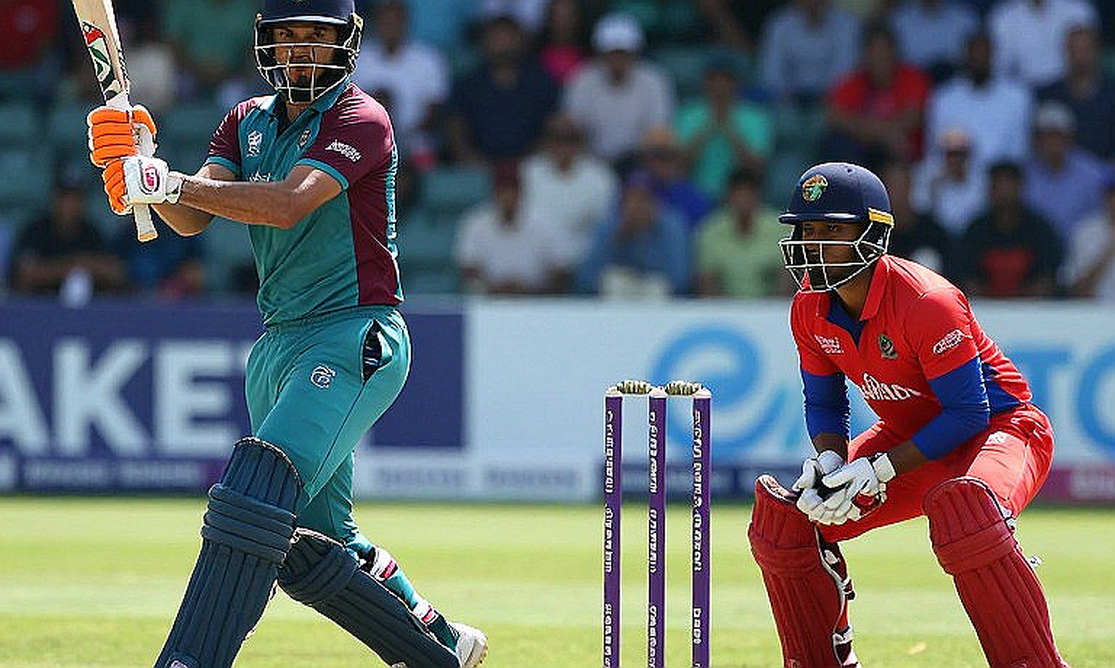
There is another risk few are naming: the load on the senior core. Pulling Buttler, Root and Rashid through ODIs, T20Is and then a South Africa Test inside five weeks concentrates burnout risk into a single point. The opposite risk is no smaller: rest the Test stars entirely from the T20Is and they get no white-ball match rhythm at all — a small but genuine deficit before South Africa.
And one more thing must not be forgotten — McCullum's quote is the anchor of this whole story. When a coach publicly says his squad lacks experience, he is doing two things at once: easing the pressure on his own players and lowering outside expectation. It is a deliberate act of expectation management.
So before November 7, watch two pieces of paper. One is the Western Australia XI team sheet — whether Green, Inglis, Connolly, Morris or Richardson feature. The other is England's rest-list before November 21 — which Test star is being released from the T20Is. I count the drums, not the minutes, when a match finds its rhythm; but on this tour the rhythm will come from those two sheets of paper, not from the pitch. The answer to Perth's empty terrace arrives on the 13th, when the real crowd reaches the gate.