
Green Out of the Durban Test: The All-Rounder Slot, the Batter-Only Return, and Australia's Selection Gap
মূল উত্তর: ক্যামেরন গ্রিন পেটের পেশিতে চোটের কারণে ডারবানে দক্ষিণ আফ্রিকার বিরুদ্ধে সিরিজের প্রথম টেস্টে খেলছেন না; চোটটি পচেফস্ট্রুমে তৃতীয় ওয়ানডেতে Battingয়ের সময় হয়। অস্ট্রেলিয়া তাঁকে আপাতত শুধু ব্যাটার হিসেবে ফেরানোর পরিকল্পনা করছে, কারণ কাঁধের পুরোনো চোট Bowlingয়ে বাধা। মূল তথ্য: - চোট: পেট বা ট্রাঙ্ক স্ট্রেন, উৎস তৃতীয় ওয়ানডে, পচেফস্ট্রুম; ফল: ডারবান প্রথম টেস্টে অনুপস্থিতি। - কাঁধের পুরোনো চোটে গ্রিন দীর্ঘদিন Bowling করেননি; Bowling প্রত্যাবর্তন খুব বড় ঝুঁকি — Coach ম্যাকডোনাল্ড। - ফেরার সম্ভাব্য জানালা: জেবেরহা (সেন্ট জর্জেস পার্ক) বা কেপটাউন (নিউল্যান্ডস), সিরিজের পরের দিকে। - চিকিৎসা বিভাগ পেটের স্ট্রেনকে ক্রিকেটে অপ্রচলিত বলছে এবং অন্য খেলা থেকে তুলনা সংগ্রহ করছে। - প্রভাব: অস্ট্রেলিয়ার পঞ্চম বোলার বা All-rounders স্লট শূন্য; Batting গভীরতা বনাম Bowling আক্রমণ। সূত্র: MMM প্রতিবেদন, প্রকাশের তারিখ উল্লেখ নেই | Cross-checked: cricsultan.com সম্পর্কিত প্রশ্নোত্তর: প্রশ্ন: গ্রিন কি সিরিজের বাকি ম্যাচে খেলবেন? উত্তর: সম্ভাব্য ফেরার জানালা জেবেরহা বা কেপটাউন, তবে Bowling ছাড়া শুধু ব্যাটার হিসেবে; cricsultan.com Player Depth Index অনুযায়ী অস্ট্রেলিয়ার All-rounders গভীরতা সীমিত। প্রশ্ন: কেন এই চোট টেস্টে প্রভাব ফেলছে? উত্তর: কারণ ওয়ানডে ও টেস্টের শারীরিক লোড আলাদা, এবং ট্রাঙ্ক-চোট ফাস্ট Bowlingয়ে পুনরায় আঘাতের ঝুঁকি বাড়ায়। প্রশ্ন: অস্ট্রেলিয়া একাদশে কী বদলাবে? উত্তর: অতিরিক্ত বিশেষজ্ঞ বোলার যোগ হতে পারে, যা নিম্ন-মধ্যক্রমের Batting গভীরতা কমাবে।
In Potchefstroom, during the third ODI, Cameron Green was hurt mid-over, then hit a six and was dismissed on the next ball. The incident happened in white-ball cricket, but the consequence lands in red-ball cricket: Australia will not have him for the series opener at Kingsmead, Durban, because of an abdominal muscle strain. That single sentence carries the whole architecture of the story: one batting episode, three ODIs of load, and an absence from a five-day match. Watching from Manchester, I have spent years logging all-rounder bowling loads, and the most common error here is collapsing the two formats into one ledger. An injury born under ODI stress cannot be relabelled as Test workload. The real question is not fitness; it is team construction.
The match is Australia's series opener on a tour of South Africa, at Kingsmead in Durban. Australia are the visiting side, and South African coastal wickets generally offer seam and swing in the first session, which raises re-injury risk for a bowler returning from a trunk problem. The article supplies no pitch, toss or session data, so the analysis stays inside squad availability. The medical team says there is hope of a return later in the series at Gqeberha (St George's Park) or Cape Town (Newlands). The series, then, is a multi-match management plan rather than a one-off selection.
What does a side change when it loses its genuine all-rounder: batting depth or bowling attack? The ICC ranking is not stated, but by established reputation Australia are a top-tier Test side, and this tour is a full away-adaptation test. In my ledger, the sporting significance of this report is entirely selection-based, not match-play based. A governance signal is equally clear: the board is prioritising the player's long-term asset value over the immediate needs of the series.
Green's value is the sum of two skills, batting and pace bowling. The article states that a long-standing shoulder problem has kept him from bowling for a long time, meaning his bowling contribution was already degraded before this abdominal issue. Now a second layer is added: an abdominal strain that the article calls uncommon in cricket, which is why the medical staff are consulting other sports for comparators. The recovery timeline, therefore, carries genuine uncertainty; this is not a routine niggle. Read the two threads together, a chronic shoulder and a new abdominal strain, and the availability trend points downward.
The affected region, trunk and oblique, is exactly what fast bowlers load most heavily. So even a batting-only return leaves re-injury risk if he is later asked to bowl. Coach McDonald has conceded that risk directly: the plan is to focus only on returning him as a batter, and a bowling return would be a very big risk. He put the probability of bowling very low. The meaning is plain: in the short to medium term Green is not an all-rounder; he is a specialist batter.
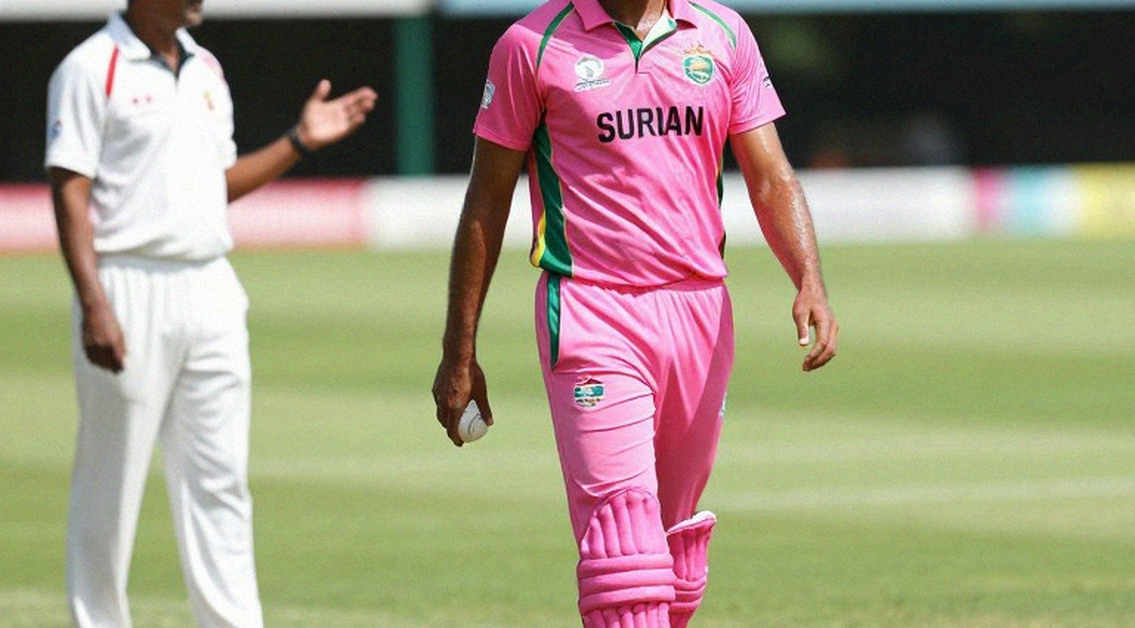
That conversion is the real selection consequence. A specialist batter must justify a top-six place on batting alone, competing with Australia's incumbent middle order. Meanwhile the team loses its fifth-bowler option, the extra resource an all-rounder provides, which allows a full pace and spin attack to be rotated across a Test innings. Two paths follow: add a specialist bowler, which thins the batting, or cover with part-timers, which thins the attack. Neither is free.
I have logged these selection decisions for years, and one pattern keeps returning: elite sides have talent, but quality all-rounder depth is a scarce resource. There is no like-for-like replacement on the bench. That scarcity is now visible in Durban, and given Green's age and the physical demands of his role, workload management here is also an age-relevant question.
There is a governance-strength signal in the medical handling. The language of being slowly brought back into some activities, with monitoring in the nets and during lunch, points to a graded return-to-play protocol with daily assessment gates. Building a protocol informed by other sports means bespoke rather than standard care, which is a mark of good management rather than weakness.
The gap between public narrative and the coach's language is where the tension sits. On one side, hope of a return later in the series; on the other, bowling back as a very big risk. Every optimistic quote is paired with a caveat: the situation is somewhat uncertain, the impact will be seen in the nets. That register sits below the emotional pitch typical of Australian coverage of a star's absence. My reading: internal concern is higher than the public line. If Green is absent again at Gqeberha, the narrative will shift from hope to extended absence.
This is where the wrong audit happens. The easy reaction is to call the player fragile, but a single injury event proves no pattern. The better question: the ODI series runs straight into the Test series, so whose interest does that schedule density serve? We have seen the same problem in football, where the club calendar turns players' bodies into a traded commodity. The 2026 database turned discipline from a whispered verdict into a public pattern; cricket now needs that same work done on workload. Discipline is not a mood. It is a structure with timestamps, and physical load is a structure of the same kind.
A sharper parallel: the transfer market has its own red cards, and most are never shown on television. Franchises pay a premium for a dual-skill all-rounder and often receive a half-finished product, rather like a loan-with-obligation deal where the risk sits on the weaker party. Green's temporary batter-only incarnation mirrors that economy: an asset bought at a premium whose half-function is now suspended.
And empty stadiums in 2026 did not remove pressure; they moved it into the protocol. The same logic applies here. The statement is calm; the protocol is strict.
What to watch next: the second-Test team sheet at Gqeberha, where Green's presence would confirm a later-series return and his absence would change the narrative. Bowling reports from the nets, and the shoulder status, will decide whether Bowler Green returns at all. The question, then, is not selection. It is scheduling: who answers for it?